Why Did I Photograph the Crow? On Reading Photographs
Photographs, like poems, are not exhausted by a first viewing: their meaning develops through return, conversation, and sustained attention.
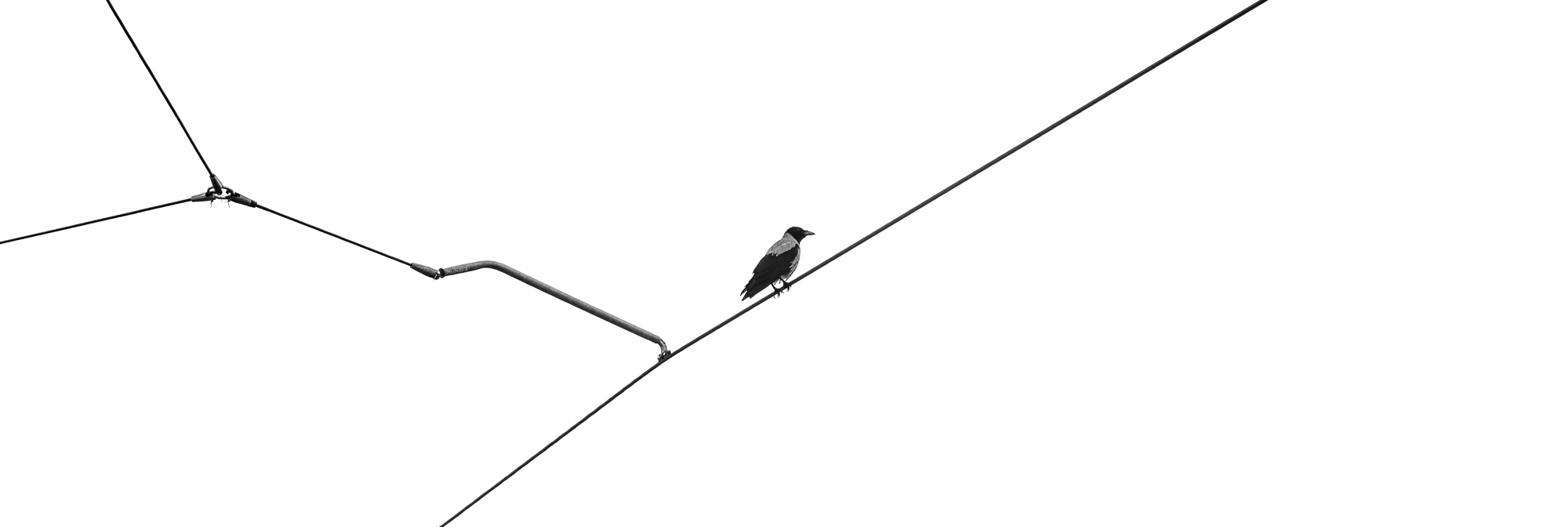
This essay begins with a simple question: why did I photograph a solitary crow rather than the countless other scenes unfolding around me? Reflecting on that question leads me to Freud’s reflections on unconscious attention and to Menakhem Perry’s theory of rereading. Bringing these perspectives together, I argue that the meaning of a photograph is not exhausted by a first viewing but continues to develop through return, conversation, and sustained attention. The essay proposes that photographs invite reading in much the same way poems do, offering a slower and more reflective way of approaching photographic interpretation.
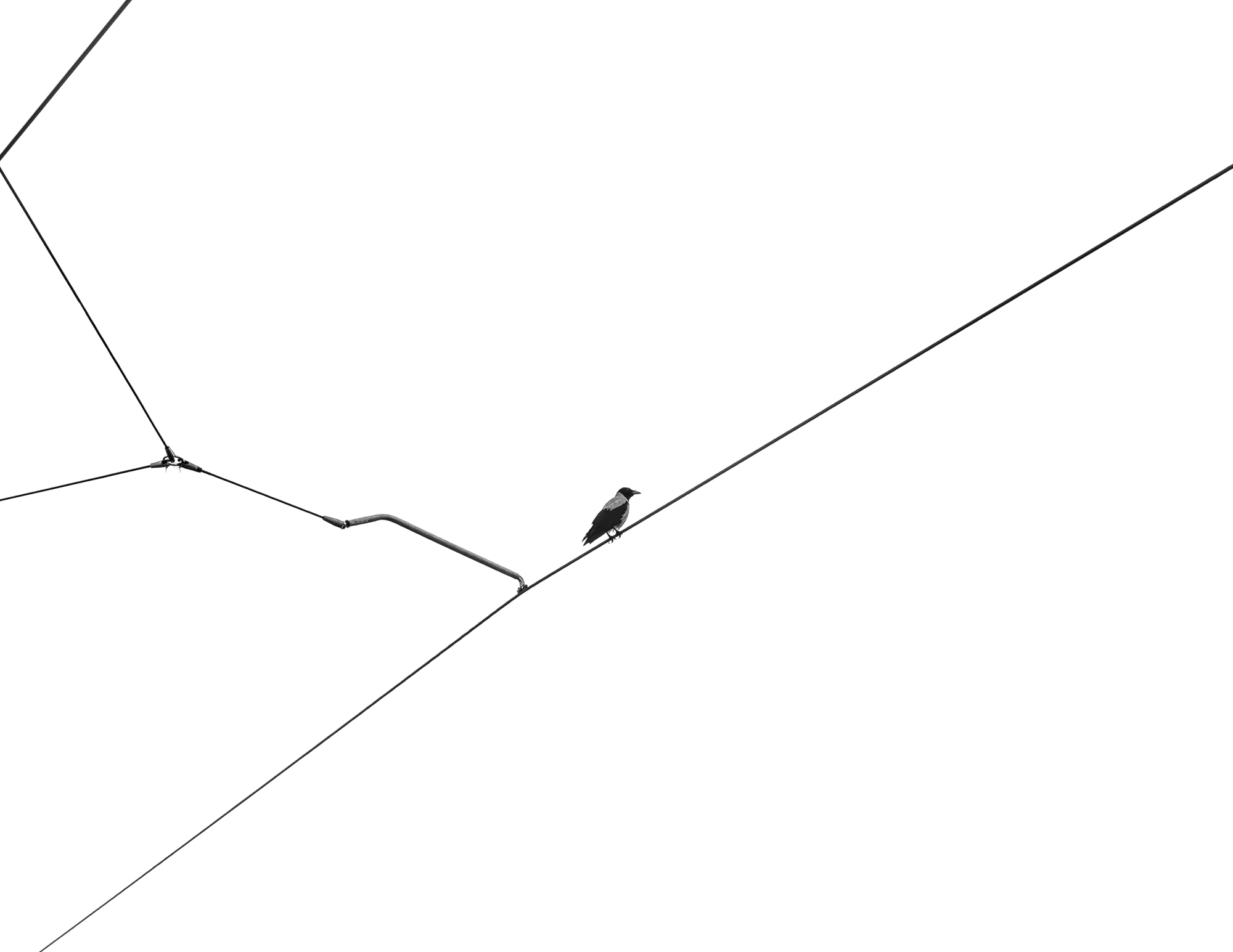
It was late on a Friday afternoon in Jerusalem. The city was settling into that familiar stillness before the Sabbath. Some people walked along the light rail tracks while others hurried past. Then I noticed a crow perched on electrical wires. Almost instinctively, I raised my camera.
The photograph was part of an assignment for an advanced photography course. Our task that week was to pay close attention to composition, and I believed that was exactly what I was doing. My attention was on the intersecting lines, the balance of the frame, and the geometry created by the cables. If someone had asked me why I had taken the photograph, my answer would have been simple: because the composition felt balanced and complete.
During the following class, we presented our photographs for critique. One by one, we looked at each image together and shared our responses before moving on to the next. My photograph, too, became the focus of the discussion. Several comments were offered, but one has stayed with me ever since. A fellow student looked at the image and said simply: “It makes me feel lonely”.
The comment made me feel unexpectedly exposed. I had not photographed loneliness. I had photographed a crow. Yet somehow, my classmate had seen something in the image that I had never intended to reveal. At the time, I had recently gone through a breakup. Photography became my way of coping with loneliness. Whenever I felt overwhelmed, I went out to photograph the city. I did not notice that certain subjects had begun to attract me more than others. It was only by returning to my photographs over time that I began to recognize a recurring thread connecting images I had once thought were unrelated.
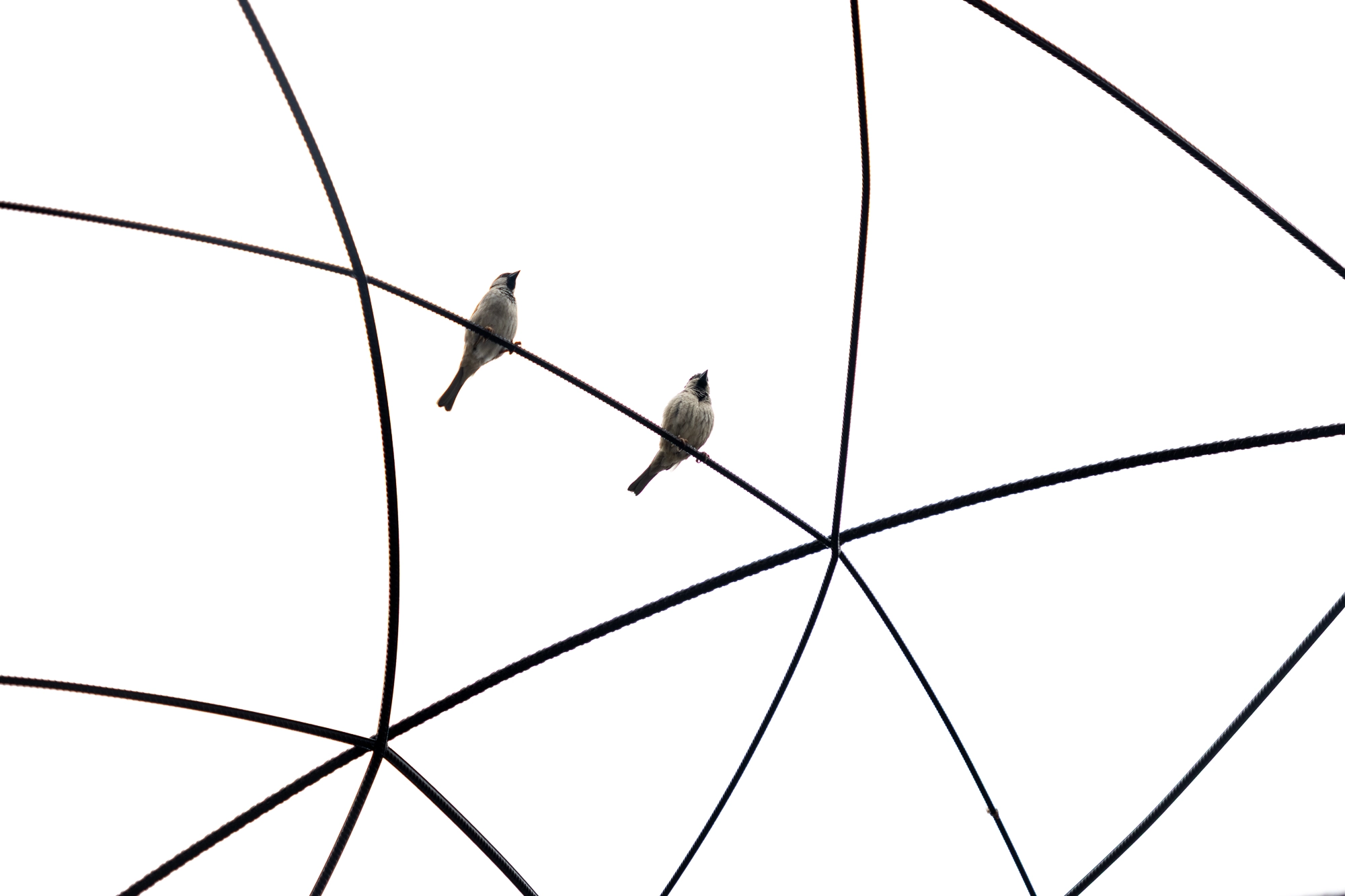
Looking back, I began to wonder whether the photograph had recorded not only what stood before my camera, but also something about the state of mind that had guided my attention. Only then did I understand why, sometime later, I had given the photograph its title: Wires of Solitude.
Giving the photograph its title answered one question. It helped me understand what connected this image to so many others I had taken. But it also raised a different question: why this image? Why the crow rather than the people beneath it, the approaching train, or any of the countless other scenes unfolding around me? That question eventually reminded me of Freud’s reflections on dreams and slips of the tongue. Freud regarded them as privileged paths to the unconscious because they reveal choices we did not know we were making. A slip of the tongue is a moment in which something escapes conscious intention and reveals more than the speaker realizes. I began wondering whether something similar sometimes happens in photography. Perhaps the photograph itself is not the visual slip. Perhaps the slip lies in the moment our attention settles on one fragment of the world rather than another.
We often think of photography as a deliberate act. We choose where to stand, when to release the shutter, and how to compose the frame. Yet the decision that precedes all of those choices, the decision about what draws our attention, is often far less conscious. Why do we notice one face rather than another? Why one bird, one shadow, one gesture, while hundreds of others disappear unnoticed? Perhaps the first act of photography is not composition, but attention. By the time we decide how to photograph a scene, our attention has already settled on one fragment of the world rather than another. What if a photograph records not only what stood before the camera, but also something about the inner movement that guided the photographer’s gaze?
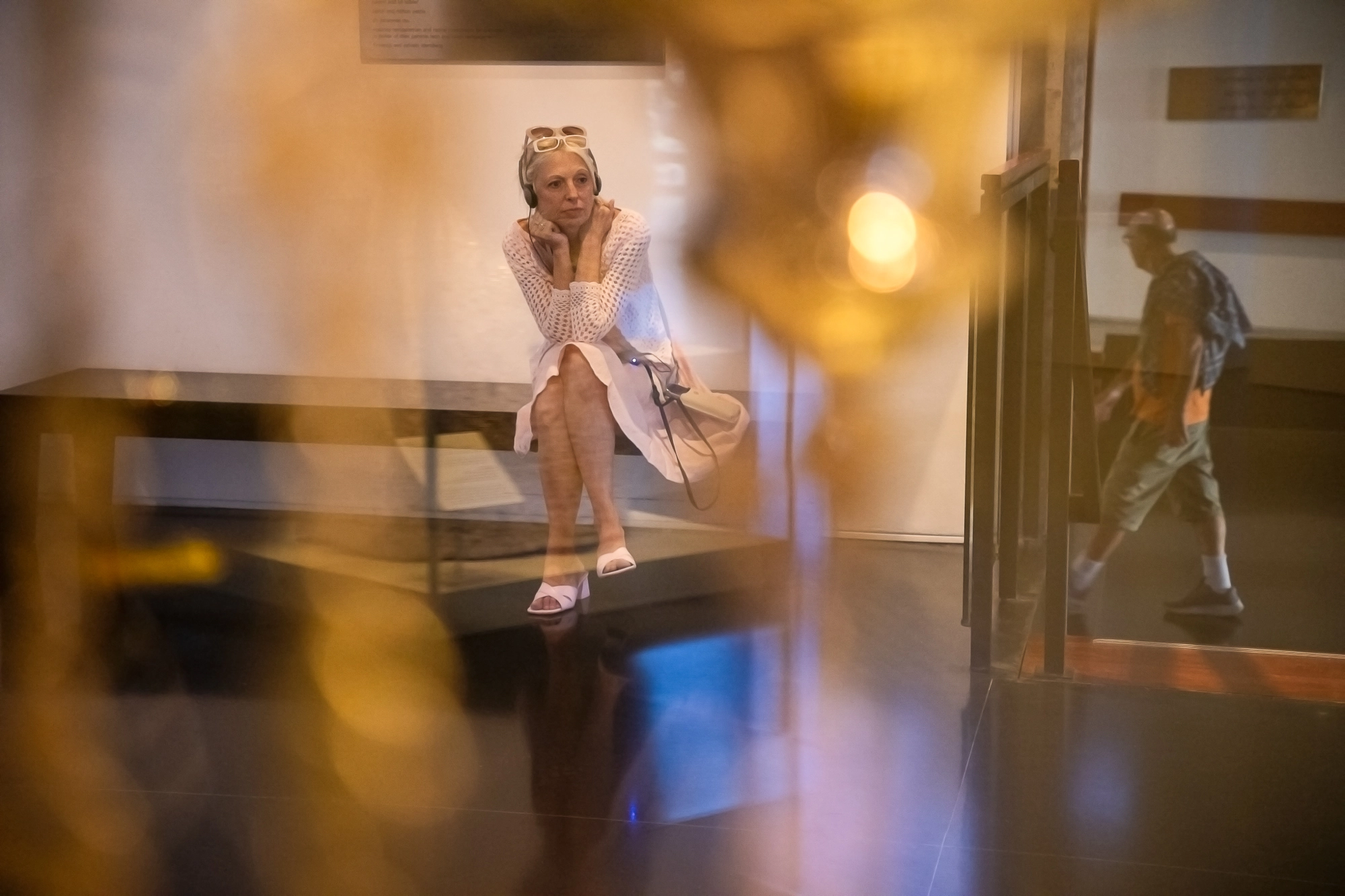
I kept thinking about what had happened during that critique. It seemed to me that something changes when we truly look at an image instead of merely glancing at it. Spending time with a photograph, discussing it, returning to it, these acts seemed to reveal layers that were invisible at first encounter. The experience reminded me of my literary background and of the conversations in the Hebrew poetry community I founded, where poets are often surprised by interpretations they themselves had never anticipated. We instinctively accept that poems deserve a second reading because they continue to unfold. I began wondering whether photographs might ask the same of us.
That question eventually led me back to the work of the Israeli literary critic Menakhem Perry. I first encountered Perry’s ideas in his Introduction to Narrative course at Tel Aviv University. Although the course focused on narrative, what stayed with me was a broader way of thinking about texts. Perry’s readings, whether of fiction, biblical narratives, or poetry, showed that meaning does not simply reside within a work, waiting to be discovered. In a landmark essay co-authored by Menakhem Perry and Meir Sternberg,1 reading is described as a process in which readers fill textual gaps by constructing provisional hypotheses that are continually revised, confirmed, or abandoned as new details emerge. Meaning unfolds through this dynamic interaction between text and its reader. A second reading is therefore fundamentally different from the first: the work remains the same, but the reader returns with new knowledge that reorganizes the entire reading.
We readily accept that poems reveal themselves gradually through rereading. I would like to suggest that photographs invite reading in much the same way poems do. They deserve the same generosity, not because they conceal a single, correct meaning, but because meaning, too, unfolds through repeated acts of looking.
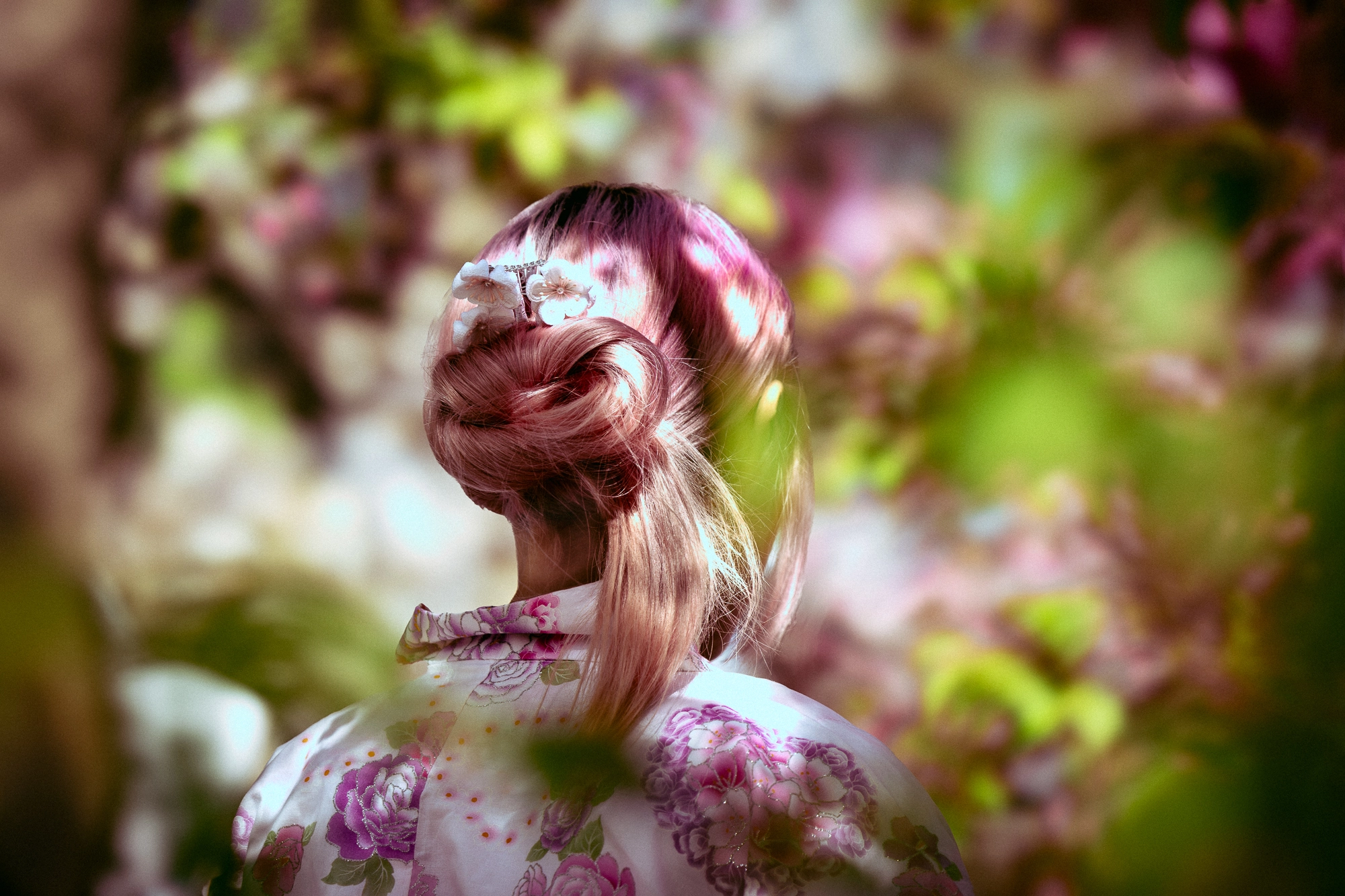
In poetry, as in photography, there is intention. The poet chooses words, rhythm, and structure; the photographer chooses a frame, a composition, a point of view, and the precise moment at which to release the shutter. Both appear to be deeply conscious acts of creation. Yet once the work enters the world, another act begins. The poet’s work is not finished without a reader, just as the photographer’s work is not finished without a viewer. Meaning belongs neither entirely to the artist nor entirely to the work itself. It emerges through the encounter between them.
A photograph is no more exhausted by a first viewing than a poem is by a first reading. The image itself does not change. What changes is the act of looking at it. We return carrying knowledge that was unavailable during our first encounter, and that knowledge reorganizes everything we thought we had seen. Looking again is not simply seeing the same photograph twice. It is another act of interpretation.
When I returned to the photograph of the crow, I realized that I had been constructing hypotheses about it in exactly the way Perry describes. My first hypothesis was formal: I believed I had photographed an interesting composition. My classmate offered another reading: loneliness. For a time, I accepted that interpretation. But with each return the question itself began to change. The real question was no longer what the photograph meant, but why this particular scene had called for my attention when countless others had not.
Perry teaches us that every rereading reorganizes the one before it. Yet rereading may also invite another question: why this image? In one of her poems, the Israeli poet Yona Wallach writes:
In a ravine hidden in the cliffs
a doe drinks water
what do I have to do with her
except the cliffs of my heart2
As readers, we naturally ask what the doe might represent. But perhaps we should also ask a different question: why this image? Out of countless possible landscapes and countless possible animals, why a doe drinking from a ravine hidden in the cliffs? We cannot answer these questions with certainty, nor should we pretend to.
When asked about the doe in an interview with Helit Yeshurun, Wallach responded by describing not what the image meant, but how it came into being. She called it “a state of consciousness”:
The doe is a state of consciousness. It is an image of consciousness, not identification ...
It isn’t me, except perhaps at that moment...
For a moment, I was a doe. Once I was a sheep, and sometimes I am a tree trunk with a head and a pink ribbon. The mind sends out images of how you are.3
Wallach’s response shifts the focus from the image itself to the inner process that gave rise to it. Her reflection suggests that images may emerge from a state of consciousness before they become objects of interpretation. Seen in this light, the question “Why this image?” is not simply a question about meaning. It is also a question about the state of consciousness from which the image arose. The same question eventually returned me to my own photograph. Why, among all the scenes unfolding that Friday afternoon in Jerusalem, had my attention settled on a solitary crow perched above the streets?
Perhaps that is what returning to a work of art allows us to do: not simply to discover new meanings within the work, but to discover new questions the work has been asking all along. Freud helped me ask why this particular image had called for my attention. Perry helped me understand why each return became a new act of reading, reorganizing the one before it.
Looking back, I came to see that what happened in that classroom was, in Perry’s sense, a second reading. We did not simply look at the photograph and move on. We stayed with it. We gave it time. We talked about it, listened to one another’s responses, and allowed the image to remain open rather than rushing to a conclusion. It was not the number of interpretations that mattered, but the sustained attention the photograph received. That attention made room for possibilities that had not been visible at first glance.
A second reading of a photograph, then, need not mean looking at it for a second time. Unlike a poem, a photograph is not read through words but through sustained attention. By “reading” a photograph, I do not mean treating it as a text. I mean allowing the act of looking to become slower, more attentive, and more open to revision. Sometimes that happens through conversation. Sometimes through prolonged attention. Sometimes by returning to the image months or years later. In each case, what matters is not the number of viewings but the quality of attention we bring to the image. Reading, in this sense, is looking without rushing to closure. It is allowing the image to remain open long enough for new questions to emerge.
This seems especially important in a culture saturated with images. Photographs, like poems, increasingly circulate through the same digital spaces and are often consumed in passing. The distinction, then, is not between photography and poetry, nor between books and social media. It lies in the quality of our attention. My proposal is simply this: that photographs deserve to be approached with the same patience, openness, and willingness to return that we bring to a close reading of a poem. Whether through conversation with others or through sustained looking, a photograph can reward multiple readings. In doing so, it deepens our understanding, not only of the image before us, but also of the gaze that first brought it into being.
Perhaps that is what all works of art ultimately ask of us: not simply to look, but to look again.
Sivan Swisa is an Israeli photographer and language editor. She holds a Master’s degree in Literature from Tel Aviv University and is the founder of the Facebook community “The Poet in the Attic” (המשוררת בעליית הגג), one of Israel’s largest Hebrew poetry communities, established to increase the visibility of women poets and their work. Her photographs have been exhibited internationally.
Notes
1 Perry, Menakhem, and Meir Sternberg. “The King through Ironic Eyes: Biblical Narrative and the Literary Reading Process”, Poetics Today 7, No. 2 (1986), pp. 275–322.
2 Translation by Linda Zisquit, from “POEM”, in Wild Light: Selected Poems of Yona Wallach
Riverdale-on-Hudson, NY: Sheep Meadow Press, (1997), p. 49.
3 Translation from the Hebrew by the author. Interview with Helit Yeshurun, Ben Yehuda Project.